Showing posts with label leadership. Show all posts
Showing posts with label leadership. Show all posts
Friday, August 10, 2018
Leadership Lesson Series: Trust One Another
In college I rock climbed quite frequently. There is more time for that sort of thing prior to a family and career. One bright Saturday my longtime friend Brian* and I decided to go climb some routes at Tennessee Wall near Chattanooga, TN. Known locally as T-Wall this beautiful cliff set in the Tennessee River Gorge offers grand vistas and legendary traditional routes that attract climbers from around the world. Near the end of a fantastic day of climbing, I was leading a moderately hard route while my close friend Brian belayed from below. I methodically placed one piece of protection into the rock after another paying little attention to my surroundings beyond the line I was climbing. I trusted my belayer who held the end of my rope and therefore my life in his hands. We communicated with one word sentences without having to looking at each other. "Slack." I would say as I continued up the cliff-face. "Thanks." He replied. "Take." I yelled after placing another piece of protection into the rock to secure the rope. "Thanks." I heard from below.
One-word commands are the best way for a climbing team to communicate without an over abundance of "What did you say?" A team that is experienced with one another and knows each other can more accurately fulfill a one-word command like "Tension" with just the right amount of force. Trust between a climber and belayer is everything. As I neared the top of the cliff I was able to hear a squirrel jumping from branch to branch in the trees at the top. But this was at the back of my mind as I focused all my effort on finishing the last few feet of the climb. It was not an easy route and as the leader I would need to build an anchor once I reached the top. Climbing is about pacing your self to avoid using all your energy too early. It requires a lot of focus and it is easy to ignore whats going on around you, which can be a major mistake.
Suddenly I heard a piercing crack! I knew something must have broken loose at the top of the cliff. I did what all climbers are trained to do when something falls from above and yelled at the top of my lungs, "Rock!" I pulled my body in tight to the cliff as I knew Brian would below. This is the safest spot as falling objects are most likely to bounce out away from the cliff-face. Out of the corner of my eye I saw not a rock, but a log bigger than any person go falling by me. My first thought was "God save us." Next, I thought if Brian is hit, let him only be injured. This was for his sake and mine because I knew, short of being killed, he would find a way to lower me to the bottom. He was my only way down! A split second after yelling "Rock" I heard a second crack. I looked down and saw a log 8 feet long and 8 to 10 inches in diameter right where Brian had been standing.
To my relief I saw he was not under it. God spared us that day I have no doubt. That experience also impressed on me the importance and value of trusting those with whom we venture outside. This trust becomes even more indispensable when we are responsible for leading others. It is no wonder Jesus sent his disciples out in pairs to preach the Gospel before the leaving them with the Great Commission. They needed to trust not only him, but also one another. He could have sent them out individually and covered more territory. But he knew the value of companionship and trust. We are always more likely to succeed when we have both. The beauty is that by learning how to trust each other we also learn how to trust God more.
You must trust your fellow staff if you are to succeed in the mission of your group or organization. No church, outreach, club, or mission will be successful if the staff lack trust. Here are several tips to grow trust among your staff. Use an interview process to filter out untrustworthy staff candidates before they even join the team. Ask a couple questions such as: How would you handle it if you were asked to do something you know is unethical but not illegal?” or “Would you report a dishonest co-worker to your manager?” Also, be sure to actually check out any references they provide. Give new staff some time to mingle and get to know current staff they will interact with regularly before making them permanent. Give them a trial period to ensure its a good fit for both of you. To build trust among your current staff, plan some staff only events. An afternoon filled with games and socializing is a good start. Tryout some classic team building games that encourage working together and get people out of their comfort zone just a little. Outdoor activities like an overnight camping trip are a great way to build interpersonal trust. A day spent learning to rock climb will build trust, guaranteed! For other team building ideas and activities check out this article by U.S. News The Best Team-Building Exercises or the book 365 Low or No Cost Workplace Teambuilding Activities by John Peragine and Grace Hudgins.
Written by David F. Garner
*Names have been changed for privacy.
Friday, July 13, 2018
Leadership Lesson Series: Addressing Diversity
At present there is a lot of talk in our culture about diversity. It is a buzz word that is cast around a lot in the news, on social media, and in conversations. It seems if you want your organization or institution to be seen as current and relevant than you should be actively pursuing ‘diversity’. What does that mean and is this something Christian groups and organizations should focus on?
Diversity is defined many ways depending on who you ask to define it. At the most basic level having diversity means having people from an array of backgrounds within your group or organization. It means the leaders and staff do not have the same upbringing. Their backgrounds may differ culturally, religiously, economically, or in other ways. It may also mean your group members have different backgrounds.
The concept of raising awareness of diversity has been around for some time. As far back as at least the 1980’s work places and schools offered or required classes on cultural sensitivity. We live in a world where people migrate frequently and interacting and working along side someone of a different background is all but guaranteed. This topic often makes people cringe if only because they don’t want to sit through another mind numbing low budget film about the topic. It can also be a generally uncomfortable topic for many reasons. But as Christians it is a topic we must consider because we are tasked with taking the Gospel to a diverse world.
The first step to addressing this topic is to remember that God’s people are extremely diverse. Jesus emphatically hammered a message of diversity into his proud disciples. His message was not only for the Jews but also the Gentiles. This was a hard lesson for them to learn. But we are now grateful they got the picture. It is also worth pointing out that the 12 disciples were a very diverse group. They all shared a similar cultural background but they came from vastly different economic, political, and religious backgrounds (various sects).
The next step to understanding this topic is perhaps the hardest. If a person cannot take this step they will make it no farther and may become a barrier to increasing diversity and even to the mission of your group or organization. This step is to develop a sense of cultural humility. This can only be accomplished through prayer and soul searching. It is a long process that usually lasts a lifetime to fully develop. A simple acknowledgement that your personal culture or subculture is not superior to all others in every way is enough to begin with. Once you can admit this you can begin to have a conversation about diversity.
One caveat is needed here. By admitting our culture/subculture is not necessarily superior to others we do not simultaneously concede the superiority of our doctrine or truth. Culture is a framework of tradition often built around a shared history and sometimes a shared body of truth. Culture is a set of attitudes and behaviors shared by a group. Culture could be seen as how we live out the truth we have. Simply count the numerous cultures that share the core teachings of Christianity and you will see this distinction. So we can discuss the diverse ways in which various cultures live out their beliefs or truths without immediately resorting to attacking and defending those beliefs or truths.
Once a person can assume an attitude of cultural humility they can be open to discussing cultural differences. Discussion is the next and most important step of increasing diversity. This will inevitably lead to better understanding between all parties. Discussion may show that another culture simply does or sees things differently or perhaps does in fact have a better method of doing or of seeing something. We may also end up discussing points of truth upon which we differ.
A better understanding of those who differ from us is the ultimate goal of the push for diversity. Improving your understanding of diverse people will aid your group or organization in carrying out its mission. All Christian groups and organizations seek to reach a wider audience with the Gospel. The most logical way to reach people with a different background or culture from your own is to talk with someone who has that background or culture. Bringing someone with that background into your organization or group means they are always present as a reference. And it means your target audience will see someone they can more easily identify with. Most importantly diversity within your group or organization is a reminder that God created diversity and it exists throughout the body of Christ.
We should not seek diversity simply because it is trendy. As Christians we should simply seek to understand more about those around us so that we can serve them better and more easily point them to Jesus. It may or may not be practical for your group or organization to seek to bring people from several different backgrounds on board. There may simply not be room. But you can certainly seek the perspective of diverse people about how you go about operations and fulfilling your mission. Seeking to bring at least one person of a different background can be beneficial because they will likely think about things in a different way and provide valuable insights. At the very least you should seek to be welcoming to a diverse audience. This will likely require some ‘market research’ to determine if the way things are done are off-putting or even offensive to others of a different background.
You cannot seek to please everyone. But as Paul admonished, we Christians should seek to be all things to all people. It is our duty to nudge every person a little closer to Christ. We will not convert everyone to our brand of Christianity. But we should strive to show that Christ loves every person no matter how different they are from us. A bit of cultural humility and a lot of grace will go a long way toward achieving that goal. We must also remember that we are not perfect people, we are practice people. We are always practicing to be more like Christ. There is always something we can learn from someone no matter how different they are.
Written by David F. Garner
Written by David F. Garner
Friday, July 6, 2018
Skills: Avoiding Illness In The Backcountry

When traveling into the backcountry is it ok to leave behind hygiene practices along with other creature comforts? In some ways it may be ok (how many of us have picked up our food off the ground and eaten it while camping?) but it is inadvisable and certainly not wise. If you are on a one or two night campout with a few close people you may get away with poor hygiene practices. Good hygiene is the best way to avoid illness in the backcountry. No matter how many times you may have gotten away with poor hygiene, a single incident of backcountry "funk" is usually enough to make you want to avoid it a second time. Not to mention it can be life threatening at times! Here are some guidelines to avoiding illness in the backcountry (and front country too).
Avoid spreading germs: just as your mom, or other parent figure likely told you a hundred times growing up, wash your hands!
Use biodegradable soap to wash your hands and dishes. Any sort of camp soap will do such as castile soap. It is better for the environment and your own health. Use antibacterial soaps and hand sanitizer sparingly. They are bad for the environment and your long term health according to recent research. Humans have used them so much some bacteria are becoming resistant to them and this is creating super-bugs. So use when necessary but use sparingly.
Wash your dishes regularly. Many campers get lax and just rinse their dishes. This is the perfect way to breed bacteria and get sick. Use hot water and soap at least once a day on your dishes when possible.
Only cook what you will eat. It is best not to save leftovers, they go bad quickly and will attract unwanted animals and bugs. If you have uneaten leftovers it is best to bury them well away from your campsite.
Boil your water. You should always filter water collected in the back country as even “clean” sources can get contaminated. Simply bringing water to a rolling boil is enough to kill most everything including viruses which most water filters miss. If the water source is questionable keep the water at a rolling boil for 3-5 minutes.
Do not share anything that touches your mouth. This includes eating utensils, drinking utensils, and lip balm among other things. Sharing these is the fastest way to spread sickness while recreating outdoors. A person can become contagious before they even feel symptomatic so following this rule is of utmost importance. When in a group, use serving utensils to dish out group food items. Never let anyone put their personal spoon or fork into the group food. Pour food into people’s hands instead of letting everyone stick their dirty hands into your bag of trail mix or other food. Never eat or drink after someone. And never use someone else’s lip balm. If borrowing lip balm is a necessity, rub the top layer off with a clean tissue but know this is only partially effective at reducing germs.
Keep sick people away from the kitchen. They may feel up to helping but it’s just not worth the risk of spreading sickness. Delegate other non-food related tasks to them or just let them rest. Everyone will be grateful.
Wash your body regularly. Medical experts recommend washing your hands multiple times per day, your face once per day, and your underarms and private areas every 1-3 days. This should be done with soap and water or wet wipes. A full body shower or bath is recommended whenever possible even if only a sponge bath. Remember, never use soap directly in the water source (i.e. lakes, rivers, waterfalls) as this is harmful to the water life and contaminates your drinking source. Dump soapy water 200 feet from bodies of water and bury if possible.
Wash your clothes frequently. It is best to avoid wearing underclothes (clothes that touch the skin) for more than 2-3 days. Change to clean ones. If possible wash the dirty ones out with water and use soap if available. If water and/or soap are unavailable, turn clothes inside out and let them sit in the sun for several hours. At least 1-2 hours on each side will help kill some bacteria assuming you have good direct sunlight and are not too far north or south. Wind is also a plus to reduce smell.
Be vigilant about keeping wounds and injuries clean. A simple scratch can lead to major complications in the backcountry if it gets infected. Keep all wounds cleaned regularly and covered. Use triple antibiotic to help control infections. Get some first aid training to learn more about this.
Dispose of biodegradable waste in a sanitary manner. This includes human waste, food scraps, and toothpaste. The proper method is to bury this waste in a hole 8 inches deep and 6 inches wide. The hole should of be 200 feet or about 75 steps from any water sources. Be sure to cover the hole when done.
Carry a few trash bags. Hauling out your trash is important for the environment. But you don’t want your trash to make you sick or get your gear dirty. It’s good to carry a few empty plastic grocery bags or freezer bags to put trash in. I find they have other good uses too.
Maintain interpersonal hygiene by treating everyone in your group with respect and humility. When spending a lot of time with a small group of people in the outdoors, tempers can flair easily. Left unchecked this can create a toxic environment that can ruin a trip and possibly become life threatening if tension leads to poor decisions. It is best to smooth things over by talking through them, staying humble, and apologizing when needed. You are all in it together.
Learn more about this topic by following this link about preventing illness while camping from the Minnesota Department of Health. Following the principles of Leave No Trace will help maintain good hygiene. Learn more about the 7 principles of low impact camping at this link.
Written by David F. Garner
Photo credit: jackmac34 via www.pixabay.com
Friday, June 22, 2018
Leadership Lesson Series: Taking A Que From Nature
"Manage an organization as nature would: A) Show neither malice nor pity. B) Abhor a vacuum, whether of power or action." - Richard S. Sloma No-Nonsense Management
Nature offers many lessons on good leadership. One of the most important is never let emotion cloud your judgement and decisions. You must show equal impartiality to all those who you lead. Once you let emotion influence your judgement, it is extremely difficult to remove it again. Not only is it hard for you to change your thinking back to that of impartiality, but your followers will expect and try to pressure you to make emotional decisions that benefit them. Emotion is a powerful human factor that leads to bad and one-sided decisions. Followers look to you to make the hard decisions that are in everyone's best interest. You can and should express empathy and understanding, you aught to be polite and respectful, but at the end of the day, an emotional decision will always come back to bite.
Another lesson is to despise a vacuum. A gap in power or action leaves a dangerous space that can quickly cause trouble. When followers sense true weakness in their leader, someone is likely to take advantage of it. True power is not control, but strength. In nature, followers always favor the strong. For leaders, a power gap often comes when they are indecisive or neglect to enforce the rules. Nature is ALWAYS decisive and NEVER neglects the rules. Of course human rules can become outdated unlike the rules of nature. So a good leader knows when to break or ignore a rule, but this is rare, not the norm. And the decision to do so must be made emphatically and never based purely on emotion. A decision to break or ignore a rule should be fair and practical.
Inaction, or a gap in action, is likewise a bane to good leadership. Inaction by a leader is often a sign of weak leadership and leaves a power gap just waiting to be filled. Inaction on the part of followers should not be tolerated, especially when in regard to their duties. Nature shows little mercy to the lazy. When you sense inaction, intervene personally. This demonstrates power which motivates action. Create a reasonable timetable for the desired action to provide accountability. A general time of inaction with noting to do is also a concern. Boredom and inactivity are a recipe for trouble. This is especially true when working with youth and young people who typically do not have fully developed reasoning skills. Always be prepared with some easy ways to fill a void of inactive time.
A third lesson that nature teaches well is that change is inevitable. Change is often a good thing, although often uncomfortable. Nature holds the key to appropriate change. Most of the time it should be slow and incremental. Too slow and people will become complacent. Too fast and some may be left behind. Yet, sometimes rapid and drastic change is beneficial. Change should be expected by both leaders and followers. This is called flexibility. The more flexible you are to change the better leader you will be.
Lastly, promote growth. Nearly everything in nature promotes growth, even death. A good leader promotes the growth of their organization or group and also those they lead along with themselves. When followers understand that you desire their personal growth as well as that of your own or your organization's, they will willingly follow. You have given them a vested interest. At times a good leader no longer seeks their own growth but only that of others. In fact, this is the ultimate goal of leadership-- think wholly of the good and growth of those you lead. When focused on the growth of others you will inextricably be promoting your own growth and the growth of your organization or group.
Written by David F. Garner
Friday, June 15, 2018
Leadership Lesson Series: Humor

Before beginning the service, a pastor read aloud a note he’d been handed moments earlier. “It says here that I should announce that there will be no B.S. tomorrow morning,” he said. Smirking, he tucked the piece of paper into a pocket and added, “I’m hoping they mean ‘Bible Study.’” There are many leadership traits worth pursuing. One that should be at the top of your list is humor! This trait is often neglected or discounted by aspiring leaders. Many see humor as simply a hereditary characteristic, either you have it, or you don’t. Humor is in fact, a trait that can and should be developed.
Some people seem to be blessed with a great sense of humor. They are able to walk into any room and have all the occupants clutching their sides with laughter within minutes. Others seem to lack much of a sense of humor. But research has demonstrated that we can be taught humor.1 As children grow they learn about new types of humor and also how to make people laugh. Adults can learn humor too. Of course, some people will always be more funny than most of us. Variety is a good thing.
As a leader, humor is a tool. You do not have to be the funniest person you know. Simply knowing how to insert a joke like the one in the opening paragraph at the right time during a conversation makes the difference between a marginal leader, and a good leader. This will become apparent if you think back to all the great leaders you have admired. Some mistakenly equate humor with weakness or foolishness. Certainly, too much humor and clowning around is a barrier to good leadership. There is a time for such excess mirth. But a good leader is one that knows when to use humor and how much is appropriate. How can you learn to use humor?
Humor is a type of communication. As with all forms of communication, it is not an easy skill to master for most. This is because humor is more of an art form than anything else. It requires practice and time. It will also require trial and error. The key to successful humor is to never offend. It is better to neglect humor than to cause offense. If you accidentally do offend someone, correct your mistake by humbly apologizing as soon as possible. Offenses can usually be avoided with a bit of homework. Listen to conversations around you. Learn from other’s humor. Learn what hurts other’s feelings and avoid those remarks. This is especially important when you are working among a culture that is not very familiar to you!
A great way to begin to use humor as a tool in leadership is to borrow jokes. When you hear one that makes others laugh, write it down and memorize it. One of the greatest comedians of the 20th century, Phillis Diller, had several file cabinets of hundreds of jokes she used regularly! Humor does not have to be original, in fact, it very rarely is truly original. The key is to repeat a joke in new company, and don’t repeat it in the same company for some time. If you heard a joke at the store, then it is easy to repeat it at work (assuming it is appropriate). Avoid repeating the same joke too often or with in the same company as it will likely not be as funny the second or third time around. It is also useful to modify a joke slightly to new circumstances. This keeps it fresh.
In leadership, humor becomes a tool when used at the right time. Cracking a mildly funny joke to break the tension in a heated conversation is a priceless ability. A few punch lines or funny stories inserted into an otherwise boring talk or sermon will help keep your audience interested. A bit of self-deprecating humor goes a long way to earn the trust of new acquaintances, especially those who are your new subordinates. It can express humility. Sarcasm can be funny at times, but it should be used modestly, or it becomes grating. Exaggeration is another humor technique. It is also best used in moderation.
Wit is perhaps the best type of humor to use as a leader. It demonstrates creativity and deep thinking. It can also be one of the most difficult types of humor to learn. It requires spontaneity, which does not come easy for many leaders. To improve your wittiness, you must first convince yourself it is something you can learn! Next you must be patient. Wit takes practice to master. If you are a shy leader, engage in conversation, focus on what makes different people laugh. Most importantly, discover what makes you laugh. What type of humor do you enjoy. If you find something funny, there are bound to be others who will find it funny too. Analyze your own conversations to distinguish what types of things you say that make others laugh.
I have observed in religious circles humor can sometimes be looked upon as unwelcome or even ungodly. This I think is unbiblical. Jesus himself used humor in his public ministry. If you have never laughed when reading the Bible than you are reading it wrong. God invented humor! Just look at creation, how many animals have you seen that make you laugh aloud? Social media is full of videos of cute animals doing silly things! King Solomon wisely proclaimed the benefits of a merry heart when he said it is a fantastic medicine (Proverbs 17:22). Humor always brings cheer and makes your heart merry! Jesus is not just a powerful God to fear, he is also a friend who wants to engage in every aspect of our life, including laughter!
Laughter has many benefits including reducing stress and increasing the interpersonal bonds among all those who share it. Two key goals of any leader. Some leaders mistakenly relegate humor to certain times or places and leave no room for it when getting “down to business.” Good leaders understand that a bit of humor allowed even while conducting “business” will improve attitudes and increase productivity. It will improve your appearance as a leader and others confidence in your ability. A good sense of humor will help reduce burnout and increase the likelihood people want to keep you in a leadership position.
Whether you feel your sense of humor is already good or quite lacking, it is time you seek to improve it and learn to use it more effectively. Seek to implement the tips above and read more about developing a good sense of humor. You may even find it useful to get instruction through a humor class. An effective leader will employ humor more than harshness. Grow your own sense of humor as a leadership trait and pray that God will give you the wisdom and ability to do so. Seek to discover how God uses humor throughout the Bible. A good leader enjoys laughter. As famous comedian Bob Newhart said, “People with a sense of humor tend to be less egocentric and more realistic in their view of the world and more humble in moments of success and less defeated in times of travail.”
Sources
1. Jen Kim. Can You Teach Someone to Be Funny? (Nov. 16, 2016). Psychology Today. Accessed March 10, 2018 from https://www.psychologytoday.com/blog/valley-girl-brain/201511/can-you-teach-someone-be-funny.
Written by David F. Garner
Friday, July 21, 2017
Leadership Lesson Series: Yes, Say No

"But let your 'Yes' be 'Yes' and your 'No' be 'No.' Whatever is more than these is of the evil one." Matthew 5:37 WEB
“No.” It is one of the first words we learn as toddlers. Yet it becomes a word we have a hard time using, especially as leaders. As leaders it is our instinct to want to say yes. We desire to motivate and inspire people and we feel that saying no is contrary to that goal. Yet the truth is often other than what we instinctually feel.
A leader is by definition someone who guides or directs to a certain goal or direction. They are tasked with making one objective prominent above all others. By nature a leader says yes to one thing and no to all others. Yet all leaders, new and experienced, struggle with saying no at times. It is essential to know how to say no.
You may think it rude or unpleasant to say no. But often this response has the follower’s best interest at heart. The greatest leader in all of human history said no many times. The key that made Jesus so good is that he knew how to say no in a manner appropriate for the situation. It is what enabled him to accomplish the greatest objective any leader has ever faced, the salvation of an entire race!
A no response must be situationally fitting. The word no may not even be used. Learning to respond effectively takes experience. When it doubt, a great response is one that buys you more time to consider a yes or no answer such as, “let me think about it,” “that might work, I will get back to you,” “let’s explore that idea,” or simply, “maybe.” This gives you more opportunity to weigh the options and seek guidance if necessary. Sometimes, exploring the idea on the spot by discussing it with the group will show its merit or defects. This strategy may keep you from having to say no in front of the whole group because the error of the idea becomes self-evident. It may even prove to have more quality than you as the leader originally anticipated.
No, does not have to be the final answer. If you begin by saying no, then later realize the idea would be allowable, it is ok to change your mind. As leaders we feel an extra strong drive to appear consistent. This means we detest changing our minds or admitting error for fear of appearing inconsistent. But a great leader is one who can admit their error or change their mind when the situation truly warrants. Admitting an error will prove to your followers you are humble and not above reproach. It will earn their respect and make you a better leader. This lets them know your power hasn’t gone to your head. Changing your mind when you see all the facts more clearly has the same effect. This only becomes negative when it happens to frequently!
As stated above, no has numerous forms. Jesus said no in many different ways. Many examples involve setting boundaries. This is often the hardest type of no for new leaders. They desire to please everyone. Jesus set boundaries on work by taking needed personal time (Mark 1:35); he set boundaries on his commitments by acknowledging he could not be in two places at once (Mark 1:38); he prioritized pleasing God (John 5:44); he set boundaries on inappropriate behavior (Matthew 12:46-50, Matthew 16:23, Matthew 21:23-27, 22:15-22, Luke 23:8-9).
Most of the instances where Jesus says no are due to one fundamental reason, if he said yes, it would detract from his mission. He said no to Satan worship (Matt. 4:1-11); no to immediately destroying those that rejected him (Luke 9:54-56); no to becoming an earthly king (John 6:15). It is a leader’s most fundamental job to keep the group focused on the primary objective. That is the chief reason to have a leader and what made Jesus such a good one. Therefore, someone who is uncomfortable saying no at times should avoid leadership. It should also be pointed out that saying no to one thing, enables the leader and the group to say yes to another. Ultimately, saying no is about focusing, not about rejecting. Communicating focus rather than rejection requires skill. That is why there are so many ways to say no.
There are perhaps hundreds of ways at your disposal. To avoid causing a feeling of rejection, target your no answer at the idea rather than the person. “I appreciate your input, but that idea isn’t likely to work.” Admit the value of the idea but postpone it, “That is a great idea; maybe we could try that next time.” Provide a logical reason why it is not the best idea, “Your idea is good, but I/we believe this idea will work better due to the time constraints.” Reiterate the priority, “We are trying to accomplish ____ so let’s focus on that.”
Sometimes the word no may be just as problematic as the word yes. In a situation where yes is inappropriate and no will likely escalate the situation what should a leader do? One great option is to redirect. Rather than saying no to the desired idea, offer an alternative, preferably equally or more attractive than the first. This technique can be very effective with children. The trick is to refocus from the negative, you/we can’t to the positive, you/we can. You must be careful not to let this become a bribe though. Offering double of something later that can’t be had now is a bribe not redirection.
Redirection can be effective in situations with older groups too, especially when a suggestion is too extravagant. For example, when brainstorming a new fundraising idea, instead of squashing an unattainable proposal, suggest a similar but more modest one. Someone suggests, “Let’s have a raffle for a new car.” The leader says, “A raffle is a great idea, but not everyone needs a new car, lets raffle tickets to Disney World instead.”
It is especially important to say no when people are at risk of harm. In these situations, a simple no is best. For example, during an emergency time is of the essence. If a fire breaks out and someone says, “run for your life,” a leader would say, “No! Everyone walk calmly to the emergency exits. Leave everything else behind.” This keeps everyone from panicking and clogging the exits putting people in greater danger. Context is key in how you say no.
The biggest key to saying no is to do so with tact, whenever possible. A little respect goes a long way. Remember your manners and people will be much more accepting. Saying, “no thank you,” or “not this time,” reduces the chance that people will take it personally. A little kindness with your no goes a long way, you know?
Written by David F. Garner
Photo Credit Bruno Glätsch via www.pixabay.com
Friday, July 7, 2017
Leadership Lessons: Electronics in Outdoor Ministry

There are increasingly more electronics for the outdoors coming to market. Are they necessary? This article will explore some of the common back-country electronics and their pros and cons. I believe some electronics in the great outdoors are useful, but you ultimately have to decide for yourself. So let's look at some of the details.
There are many types of electronic gadgets for outdoor exploration out there. Traditional back-country wisdom says that when you go into the great outdoors, you leave all electronics behind. Many outdoor ministry leaders probably grew up with this philosophy. I did. But it pays to reassess tradition from time to time so we don’t become pharisaical about it.
Outdoor gadgets range from sophisticated watches to phones, navigation aids, optics, cameras and beyond. Some are sport specific such as avalanche beacons. We previously published an article about electronic back-country navigation tools and rescue beacons (see here). So in this article I would like to primarily focus on electronics for other purposes.
Let’s, begin with the big one, phones. Phones are by far the most common outdoor electronic gadget. Even if you know you will have no service they can do a lot, especially smartphones. Whether you take one depends on what you are doing. So, I will list some pros and cons for you to decide for yourself. Personally, I always take one when I am leading a trip for ministry purposes. When on my own or with a group of friends I am less likely to take one.
Pros:
Communication when in service (useful for communication with main office, other vehicle drivers or staff, and emergency personnel).
Quality camera
Free to cheap GPS apps and other navigation aids
Carries multiple ebooks, notes, bible translations, guidebooks, music
Alarm clock
Cons:
Communication when in service (emails, and work or personal calls can be a distraction)
Short battery life
Games
Heavy (but not too bad)
Cause feelings of stress
Next, I would like to discuss e-readers/tablets. These can have many of the functions of a smartphone. Some even can be connected to data over cell towers. To me tablets don’t make much sense in the back-country due to their bulk and limited battery life. However, they may be beneficial for international trips. E-readers have some uses in the back-country especially for larger groups or long trips. They make the most sense for educational programs as they can contain a lot of information in a small package. They often have incredible battery life as well although it is limited. The National Outdoor Leadership School (NOLS) did a pilot test and found them to greatly reduce overall group gear weight due to the replacing of several physical books and field guides. So e-readers such as the waterproof and dustproof Kobo might be most useful for an outdoor education trip or college outdoor semester.
Watches are key in backcountry travel and outdoor ministry for time keeping. Beyond this function most other bells and whistles are unnecessary. Digital or analog is a matter of preference, although analog can may work better at extreme temperatures. The key here is to have a watch that is decent quality and truly waterproof. Any name brand (i.e. Casio, Timex, etc.) over $30 will preform well. Go much cheaper and you’re risking its failure on the trail. Some watches are GPS enabled. Their most useful feature is probably altitude readout. This can help during navigation if you are trying to save your handheld GPS battery. Most smart watches have too poor a battery life to last long enough for outdoor trips. So leave them at home. Another note, my friend cracked his Apple Watch screen and then found out it cannot be replaced, you have to buy a whole new watch!
Electronic navigation (nav.) aids are pretty affordable these days. Many have multiple functions. Most of these dedicated GPS units are built ruggedly. These are discussed in detail in the previously mentioned article. So I will be brief here. I personally prefer a GPS app on my phone as it is one less thing to carry and much more cost effective. But if an organization or club is looking for an option than a dedicated GPS would be preferable so the nav. aid is not on one person’s phone who may or may not go on every trip. I prefer the Garmin InReach as it doubles as an emergency beacon. Any name brand handheld GPS will be good. Just remember this does not replace map and compass skills!
Lastly, optics and cameras come in many electronic options. These are only useful if you have the money and the desire to use them. Some digital binoculars on the market can take pictures. Unless you’re hunting or bird-watching these seem unnecessary. Digital cameras on the other hand do have a lot of positive aspects. They might be worth it if you don’t take your smartphone or your organization or club has a dedicated photographer. Its also important to consider if your willing to allow staff to take picture on their phones or not. Many summer camps do not allow this to avoid inappropriate photos in cyberspace. This is a real concern especially for organizations working with minors. One lawsuit would be enough to kill most outdoor ministries. There are tough digital camera options out there worth considering as well as ones that take higher quality images than any smartphone. Assess your needs before spending a lot of money!
Aside from utilitarian purposes I am all for leaving electronics and even books at home or in your backpack, except for the Bible. When in nature, seek to enjoy it and learn from it as God intended. Wadsworth says it best:
The Tables Turned
BY WILLIAM WORDSWORTH
Up! up! my Friend, and quit your books;
Or surely you'll grow double:
Up! up! my Friend, and clear your looks;
Why all this toil and trouble?
The sun above the mountain's head,
A freshening lustre mellow
Through all the long green fields has spread,
His first sweet evening yellow.
Books! 'tis a dull and endless strife:
Come, hear the woodland linnet,
How sweet his music! on my life,
There's more of wisdom in it.
And hark! how blithe the throstle sings!
He, too, is no mean preacher:
Come forth into the light of things,
Let Nature be your teacher.
She has a world of ready wealth,
Our minds and hearts to bless—
Spontaneous wisdom breathed by health,
Truth breathed by cheerfulness.
One impulse from a vernal wood
May teach you more of man,
Of moral evil and of good,
Than all the sages can.
Sweet is the lore which Nature brings;
Our meddling intellect
Mis-shapes the beauteous forms of things:—
We murder to dissect.
Enough of Science and of Art;
Close up those barren leaves;
Come forth, and bring with you a heart
That watches and receives.
Friday, March 31, 2017
Leadership Lessons Series: Protecting Participants

Key Verse
"The thief only comes to steal, kill, and destroy. I came that they may have life, and may have it abundantly." John 10:10 WEB
Lesson
As a high school student, I heard a lot about suicide and how to spot it. I never thought it would affect me. Everyone at my private Christian school was happy, they all had loving parents and would never think of such things, right? The day my principle came into our 9am class was a wakeup call. We immediately knew something was wrong by the look on his face and the fact that he never came during the middle of class. He told us Caleb*, one of our classmates, had attempted suicide early that morning by swallowing an entire bottle of ibuprofen.
Suicide affects all races, classes, and age groups. Worldwide someone dies from suicide every 40 seconds. The sad part is that it is completely preventable. Is your ministry doing anything to prevent it? With just a few simple steps you can help reduce the risk of suicide among participants in your ministry. The first step is to avoid my mistake, know that everyone is at risk. Being a Christian, or appearing highly social and upbeat does not make one immune. People can fake those things.
Step two is to follow a few simple guidelines to reduce risk and be prepared for an attempt. While participants may not attempt suicide during an event with your ministry, you may unwittingly expose them to suicide aids. Also, know that, teens especially, can attempt during overnight trips where they are away from home.
Now that you have acknowledged that your participants (of all ages) are at risk, lets discuss the guidelines you can implement. The first line of defense is education. All staff (including volunteers) should know the basic signs and what to do. The Suicide Prevention Lifeline is a national nonprofit that offers education and a hotline. This one page link tells you all you need to know about spotting and stopping suicide. Review the Warning Signs with each new staff and yearly with current staff. Include it in routine training. Post them along with the hotline number 1-800-273-8255. Add this number to the list of emergency numbers staff carry on trips. Go ahead and have them put it in their contacts. Of course, they can always dial 911.
Warning signs include:
· Talking about wanting to die or to kill themselves or looking for a way.
· Talking about feeling hopeless or having no reason to live
· Talking about feeling trapped or in unbearable pain
· Talking about being a burden to others
· Withdrawing or isolating themselves
Another important guideline is preventing access to suicide aids. This is especially important for ministries working with minors and adults with a history of depression or suicidal thoughts. The most obvious aid is medication. You likely have a first aid kit. People also carry over the counter and prescription medication. Access to these should be controlled, especially on overnight trips! The American Camps Association (ACA) has specific guidelines for medications. All oral medications must be kept under lock and key, period. Only medially trained staff can administer them. For non-ACA members a staff trained in first aid will work fine. Non-oral medications may be kept unlocked.
First aid kits stored in a facility may not have any oral medication, if they do a small combination lock box can be effective. Or store them in a locked closet with cleaners and chemicals. These should be locked away at all times too! On overnight trips with minors or adults with a history be sure to collect all medications prior to departure. Check with parents of minors and explain your purpose. They will be grateful for your measures! On trips I lead, including backcountry trips such as backpacking, I like to keep all medications in a lock bag. It fits in my bag better than a box! Checkout the Master Lock Model 7120D.
Other aids include sharp objects. If you know someone suffers from depression and suicidal thoughts it is a good idea to constantly observe them while using these tools. Afterword, make certain they don’t keep any. All new participants and staff in my outdoor ministry receive basic knife safety instruction. That way everyone knows the rules. Here is a good example of rules.
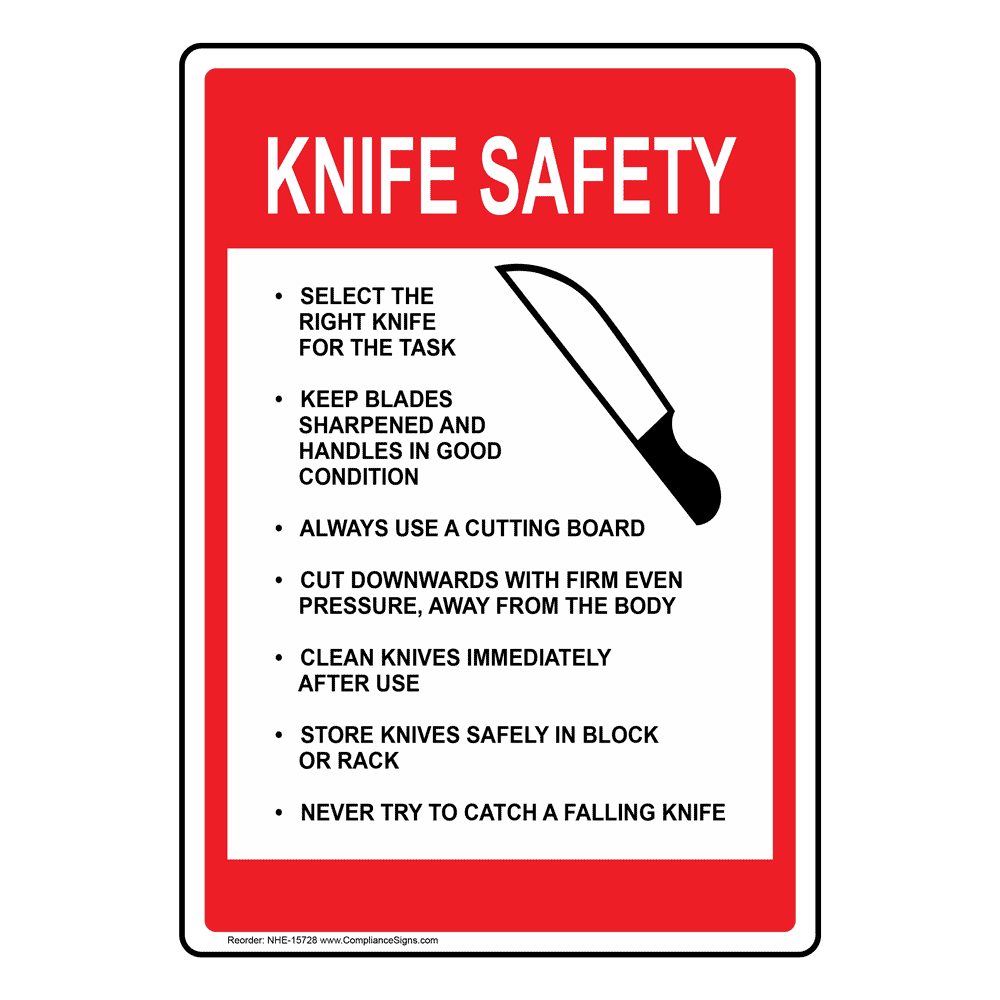
The last key guideline I will offer is to know your participants. This is not always possible, but do your best. The main goal is to build report with them. If they trust you and other staff they will be more open with their feelings. People contemplating suicide feel vulnerable and worthless. Trust is everything. Also remember that it is often easier to talk to someone you slightly know than someone you know well. So new participants may find it easier to open up. The other way to know your participants is to learn their history. If your ministry has an application form include a short survey of medical problems and history. A checklist of common problems like you might see at the doctor’s office makes it easy for people to select. Include “history of depression” in this list. This is no guarantee applicants will be forth coming, but the easier it is to select it they more likely they will share.
Caleb had always been such an outgoing, cheerful guy. It was a shock to all of us. The principle informed us that a few minutes after taking the medication Caleb had called a friend and confessed. Because the friend had received the suicide education with the rest of the school he knew what to do. An ambulance was dispatched and medical staff were able to save his life! Without that education who knows what would have happened. Caleb’s friend might have thought he was joking and wasted precious time. Education saved Caleb’s life, will you help it save another?
*Actual name has been changed for individual’s privacy.
Written by David F. Garner
Photo Credit: Counselling via www.pixabay.com
Friday, November 25, 2016
Leadership Lessons Series: Bible and Science

Bible and Science in Church and The Pulpit.
"And this proves the Bible was right all along!" said the pastor. “Here we go again”, I thought. Too often science is used in sermons and Bible studies to prove God knew what he was talking about. We have to be careful not to over emphasize scientific theories that seem to confirm or coincide with the Bible. This borders on making the Bible say what we want instead of letting the Bible speak for itself. The nature of science is change and progress. It is constantly developing and changing--sometimes drastically! Most true scientists are pretty sure about their theories. But they're rarely 100% sure of theories or even facts. As Bible educators, we should take the same view. Science and the Bible are not mutually exclusive. They can inform and benefit one another. The Bible is not solely dependent on scientific evidence for its truth or validity. So we should be careful not to communicate this idea or allow our hearers to assume it.
Some types of scientific evidence do continually validate the Bible and its truthfulness, such as archaeology. Other areas of scientific evidence seem to confirm what the Bible has said. I like to call this category convergent evidence. It is great when this type of evidence seems to support the Bible, but new evidence may invalidate old scientific theories and ideas. So we should not tie the Bible's validity so tightly to this type of evidence. When we do, non-believers who are looking for reason to invalidate the Bible and say, "See, the Bible is incorrect." We must remember that the Bible is not a science textbook. Scientific theories are man's ideas. The Bible warns us to be wary of man's ideas. Some scientific ideas and theories may indeed be accurate about how God did things, or they may not. So we must be careful not to hinge the Bible to heavily on the framework of man's ideas.
A good example is the Big Bang. For decades this has been a staple theory that Bible believers point to as proof for the Bible. But now this theory is losing its footing in the scientific community. It is being questioned and challenged. (See this) That's OK, it's the nature of science. The Big Bang should not be a pillar in the foundation of our belief in the Bible. If that is how we convince people of the truth of the Bible, then when that theory is discarded or proven false, the Bible comes crashing down with it. Instead, the theory of the Big Bang can be convergent evidence that helps us understand how God may have created the universe. The Big Bang offers a rational, logical means by which God could have spoken the universe into existence. It offers a lens through which we can see how God may have accomplished the wonderful mysteries chronicled in Scripture.
God has chosen to reveal himself in a way that allows humans to choose to believe that he does not exist, and we must respect God’s method. We cannot prove beyond any shadow of a doubt that God exists through scientific means. God leaves us the choice to doubt and we should respect this choice. God can choose to reveal himself to anyone as he did the Paul on the road to Damascus, but he often does not. Even if he did, we know that people could still choose to doubt. As Jesus himself pointed out in the parable of the rich man and Lazarus, God has given signs and, even if he gave more spectacular ones, some people could still choose not to believe. (Luke 16:19-31)
It is important that influential people in Christian circles be aware of and educated on philosophy and science. The view that science and religion are at odds, that scientists are the enemy and instruments of Satan, undermines the work of the Gospel. Likewise, an approach that seeks to fit everything in the Bible into modern scientific theory or fact is not helpful as it can undermine the Bible and a believer’s faith in God. Moderation and wisdom are needed when grappling with these tasks, especially by Christian leaders and educators. We must continually pray that God directs us in dealing with these issues.
What can you do to help your listeners see science and the Bible properly? Here are 5 tips:
- Avoid presenting one particular scientific study as evidence for the Bible. One study alone does not prove a thing. Neither does one verse alone prove a Bible truth. It is necessary to find the results of many studies before assuming something is fact or claiming it corroborates the Bible.
- Look for resources produced by people actually trained in science and in specific fields. There are numerous sincere Christians who are also great scientists. It is wise to rely primarily on experts in a field for accurate scientific principles that support the Bible. There are numerous books, tracts, and websites that try to prove the Bible with various "scientific" theories and facts. Many of these are developed and written by people who are neither trained in science nor experts in the field of which their theory pertains to. Isaac Newton was trained in science and math and contributed great things in these areas! He was certainly an expert. He also wrote extensively on the Bible and Christian doctrine. (See here) Much of this writing was never published as he chose to keep it mostly to himself. It was probably wise as it was anti-Trinitarian.1 He was not an expert in theology. So to rely primarily on his writings for deciding the truthfulness of the Trinity would be unwise. It's important to avoid spreading concepts from inexpert sources as truth or proof of the Bible.
- Find 2-3 key trustworthy resources that you can use and point curious students to. I like to use videos in my lessons from time to time. And occasionally I have a student who is interested in researching things for themselves (always a hurray moment!). I find the following two websites highly useful for both purposes. The Institute for Creation Research www.icr.org; and Answers In Genesis www.answersingenesis.org.
- Invite a practicing scientist or science teacher who follows the Bible to come and talk or present.
- Organize a trip to a presentation or museum on Creation. Find The Creation Case presentation events here http://www.onemustardseed.com/. And a comprehensive list of Creation museums here.
The key to remember is this: It's good when a scientific theory aligns with the Bible. But we must not try to squeeze the Bible into man’s scientific theories because they are always changing.
Sources
1 Stokes, Mitch. "Isaac Newton on the Trinity 'Hypothesis' Theology." Credenda Agenda. Canon Press, 05 Apr. 2010. Web. 19 Oct. 2016. <http://www.credenda.org/index.php/Theology/isaac-newton-on-the-trinity- hypothesis.html>.
Written By David F. Garner
Photo Credit: Gerd Altmann
Friday, November 4, 2016
Leadership Lessons Series: Prepared Participants

Lesson
As leaders, teachers, counselors, and pastors we try hard to make sure that those we serve are prepared to receive Jesus into their life when the Holy Spirit moves. We preach, lead bible studies, tell stories, pray, share bible verses, use object lessons and illustrations, pictures, videos, on and on. We attend seminars, read books, and get degrees to learn how to better lead others to Jesus. There are as many methods of ministry as there are people to lead them. The effort and brain power that has been dedicated to improving methods of soul winning over the past two millennia are mind boggling when you stop to think about it! What about physical preparation?
The outdoors are physically demanding. In outdoor ministry we may rely on nature to augment our methods of soul winning. We must also be mindful that our participants are prepared for outdoor excursions. Many individuals have their first significant experience with the outdoors through outdoor ministry. So helping them prepare is necessary. Nature is designed to lead us to Jesus. We want to cultivate a life-long connection with nature in our participants. Ensuring their first few experiences are positive is key. Here are 10 points to help ensure participants have the best experience possible!
1. Safety is central to everything done outdoors. Discuss this with participants multiple times before even arriving in nature. Instruct them on specific safety guidelines (such as staying away from cliff edges and what to do if lost). Remind them immediately prior to engaging in dangerous activities and terrain. Positively reinforce participants who follow the safety guidelines in front of other participants.
2. Practice proper prior planning. The emphases is on prior. Educate yourself, staff, and participants on dangers likely to be encountered. Know the dangerous flora and fauna in the area. Know the weather conditions. Know what you’re going to do in dangerous situations. Have an emergency plan. Educate participants on all of these things. Also, prior planning helps to ensure you as the leader do not forget anything.
3. Ease participants into extremes. This is not always possible, but it is a good rule of thumb. For example, don’t stick a non-athletic kid on a 5.11 climbing route for his first time. Take city dwellers glamping (glorified camping, i.e. car camping) before taking them on a multi-day backcountry trip. Educate on how to answer natures call outdoors and maintain good hygiene. Help ease participants beyond their comfort zone. It's common sense, plus it will help foster a life-long interest in nature!
4. Review the gear list. Its important to make sure you double check everything is packed. It is twice as important for newbies. Pass out a list and make sure participants understand it. If they bring their own gear, go through it with them prior to the trip to ensure they have what they need! This will also ensure they don’t bring too much and slow the group down or have a miserable experience. New participants have a tendency to pack WAY too much. I like to reread the packing list aloud to the group just prior to departure.
5. Everyone knows the route. Before embarking on any outing, make sure every participant knows the route/destination. It is important that each staff member know the route and all destinations. But experts advise that every single participant should have a map and compass and know how to use them. They should be kept appraised of the location at all times. This may mean teaching skills. That might seem like a waste of time but it is not. Besides, every person loves it when they can plot their own location on a map! Its so satisfying, and it makes participants feel like a great explorer!
6. Triple check the first aid kit! We have all been guilty of throwing the first aid kit in for a trip after not using it for months. Big mistake! I have learned the hard way. Make sure its stocked before every trip with updated, appropriate supplies for the type of environment and activities. Also consider bringing someone trained in first aid. See our list of recommended certifications. Make sure participants know what to do and who to talk to in an emergency. Don’t forget to emphasize hygiene; hygiene, hygiene, hygiene.
7. Hydration education. This goes along with point number 1. Educate everyone on proper hydration and remind them frequently. Put water breaks on your schedule/itinerary. It is difficult to over hydrate in the outdoors – although not impossible. (read about hyponatremia) The first sign of dehydration is thirst, then headache. As stated in point 2, be prepared, especially with enough water or to gather more! Carry extra, bring filters and/or chemicals, and know ahead where sources are located.
8. Get fit. Staff fitness and health should be a priority. See this article. Participant fitness is key to a positive and safe experience. Encourage them to train ahead of outings if possible. Don’t be afraid to help participants choose an activity or outing that’s suits their fitness level. This may mean recommending they not go on a trip they initially wanted to. Keep in mind your group is only as strong as the weakest link. So base your goals on their abilities. Goals may need to be adjusted to fit the group. Remember to always warm up and stretch!
9. Cook to your skills. A 5-day backcountry trip is not the place to try all those new campfire recipes you saw online. Try those in your home or backyard first. Your participants will thank you. I prefer to keep meals as simple as possible especially if participants help cook. Whatever you cook, keep it reasonable. Remember to check for food allergies in point 2. Don’t forget to emphasize hygiene; hygiene, hygiene, hygiene.
10. Emergency plan. You really must have one. As in have one written down. All the staff should know what it contains. Participants should be instructed on what to do in likely emergency situations. Remember that it can take much longer for EMS to reach outdoor locations. A 20-minute hike down the trail could triple the time it takes them to arrive. Participants should understand this and know the risks. Teach them how you and they will contact EMS as phones likely won’t work. Always tell someone back home where you will be and when you’ll be back. And of course, pray!
Written by David F. Garner
Photo Credit: David F. Garner
Friday, October 21, 2016
Leadership Lessons Series: Conflict Resolution

Key Verse
“with all lowliness and humility, with patience, bearing with one another in love;” Ephesians 4:2 WEB
Lesson
Conflict. It’s a dreaded word. No one likes it, yet it never goes away. It is a result of sin and has been present since Adam and Eve first ate the forbidden fruit. And, we can be sure it will continue until Jesus comes again a restores all. But we do not have to fear it. Jesus himself did not shy away from conflict. He often engaged those who purposely tried to use conflict against him. He used it to teach lessons. He also used it to show the true nature and intent of those who sought to undermine him. What can we learn from Jesus about how to deal with conflict?
The most important lesson Jesus reiterated over and over was humility. The Bible teaches humility from cover to cover. And Jesus especially stressed this. Humility is difficult. But it is necessary for swift conflict resolution. Western society tends to view humility as weak. That is untrue. Humility usually takes more strength and character than lashing out and hurling accusations. Humility means to listen and be patient. It means to consider the other parties view prior to concluding it is erroneous. Jesus never cut other off, but let them finish before making His counter arguments. Patients and love were always central to his conflict resolution. See Ephesians 4:2.
Once we have a humble attitude, then we can proceed to solve the conflict. Jesus left some very specific advice for resolving conflict in Matthew 18. It specifically addresses disagreements in church, but the principles apply in any situation whether church, school, work, or home. We often desire to be provided with simple, straightforward steps we can take to accomplish things. It this case, Jesus gave us some simple steps to settle disputes by. There are 7 steps laid out in verse 15-17. Here they are:
1. “Initiate the contact (v. 15).
2. Confront the person in private (v. 15).
3. If no resolution comes, meet again with one or two more people, [perhaps including a superior] (v. 16).
4. Confirm the facts in the meeting and work towards a solution (v. 16).
5. If no resolution comes, bring the issue before the church or organization (v. 17).
6. Agree on the truth and appropriate options for the offender (v. 17).
7. If no resolution comes, release the offender from the church or organization (v. 17).”1 If you are not in a position to do this, consider if you must separate yourself from the church or organization.
There are two final but no less important keys to remember. We should always do our best to live in harmony with everyone, Romans 12:16-18. It is wise to attempt to resolve disagreements and conflicts early rather than let them go and grow unimpeded. Second, is to always pray about everything, Philippians 4:6. Paul reminds us to take everything to God including our struggles and disagreements. Jesus also commands us to pray for our enemies. While our conflicts are usually not with complete enemies, the concept is the same.
This last key is especially important when we are in positions of leadership. We must pray for wisdom and patience to know how to deal with conflict in a Godly manner because others are watching. In positions of leadership we should always demonstrate God’s principles. We must be mindful not to misrepresent God in our leadership. Jesus did not leave us on our own to figure the best way to solve conflict. He left us a model, keys, and steps by which we can handle our disagreements so they would not hamper the work of His kingdom!
Sources
1 Maxwell, John C. "Conflict Resolution: Jesus Taught How To Manage Conflict."The Maxwell Leadership Bible: New King James Version. Nashville: Tomas Nelson, 2002. 1176. Print.
Written By David F. Garner
Photo Credit: Skeeze
Written By David F. Garner
Photo Credit: Skeeze
Friday, October 7, 2016
Leadership Lessons Series: Movie Event

How do you go about hosting a movie event?
Its actually pretty simple. But there are a few steps to take to do it properly and legally. It is important to remember that if you are watching a movie in a private group than purchasing the film in a normal fashion is fine. If you intend to show it in a public setting there are a few more considerations. Here is an article from Christianity Today that talks about common myths regarding copyright.
Step 1: Pick your movie. Movies offer a great opportunity for both entertainment and education purposes. So pick a movie that is entertaining and not boring. See this list for recommendations.
Step 2: Get the right license. It is important to remember that if you are watching a movie in a private group (by invite only)3 than purchasing the film in a normal fashion is fine. If you intend to show it in a public setting there are a few more considerations. You must have a movie license. Movies are copyrighted and there are significant fines for improper use. So check out this article about getting the proper license. You can get a license from www.outreach.com or www.clvi.com. Of course, films in the public domain don't have copyright!
Step 3: Advertise! Or don't. If you have a license from www.outreach.com than you can promote your movie event to the general public. See this article. If you have a license from www.clvi.com than you are not allowed to promote using the movie title, character, or producers names. However, you could promote a general "movie" event. Of course if your movie event is completely private (by invite only to friends and family) than you can promote it to them, but only them.3 So decide if you can or will advertise.
Step 4: Prepare. Make sure to test the movie on the equipment before hand to avoid technical glitches. Make sure you have enough seating and adequate facilities and refreshments. Don't forget to take advantage of the educational opportunity! Prepare a follow up discussion with questions. Discuss the positives and negatives of the plot and characters. Determine what moral lessons can be learned. What can stories teach us? Here and here are a few example.4 5
Step 5: Have a blast! You finally get to enjoy all your hard work.
Now go and prepare your own movie event!
Note: OutdoorLessons.org is not a legal entity. Do not rely solely on this article or site for legal counsel regarding this or any issues. Always seek professional legal counsel from lawyers and/or legal advisers.
Sources:
1 https://www.outreach.com/films/Why-You-Need-A-Movie-License.aspx
2 http://www.churchleaders.com/youth/youth-leaders-articles/144190-to-show-or-not-to-show.html
3 http://info.legalzoom.com/copyright-laws-related-using-movies-group-showing-26393.html
4 http://www.christianitytoday.com/biblestudies/articles/top-10/top-10-movie-discussion-guides.html
5 http://www.americanbible.org/content/arts-and-media/movie-guides
Written by David F. Garner
Photo Credit: AMDC
Friday, September 30, 2016
Leadership Lessons Series: Leadership Compass

Are you a good leader? Are you a great leader? You might be the leader of an international ministry. You may have turned a failing ministry around. Maybe you are just a volunteer leader without much experience. Maybe you have led 25 people to baptism in the last year. Perhaps you have never led anyone to baptism. No matter, these are not the things that define great leaders!
As Jesus exemplified throughout his time on earth, being a great leader has nothing to do with results! In John 13 Jesus gives his disciples their last lesson in leadership before his death. Here we find the story of Jesus taking on the role of a servant and washing all the disciple’s feet. The lesson Jesus wanted them to remember was humility. All throughout scripture, humility is prized above all other leadership characteristics. When Jesus chose his disciples, he chose men of lowly status whom were not proud, but humble.
Humility entails many characteristics. The most important is an approachable, learning attitude. The polar opposite of humility is pride or arrogance. An attitude of superiority and knowing everything is incompatible with humility. Jesus was one of the greatest teachers to ever live. Yet he did not know everything and even admitted so. He said in Matthew 24:36 that he did not know the day nor the hour of his return to earth. Jesus was humble and displayed this through his dependence on his Father.
John F. Kennedy said, “Leadership and learning are indispensable to each other.” A great leader is one who is continually learning to be better and do better! Specifically, a great leader is one who learns to lead well. Learning leadership skills is an important factor to learning to lead well. More importantly, learning what areas of leadership you can grow in is critical.
Do you know what areas of your leadership skills have room for growth? The best way to determine the answer to this question is with a leadership assessment.
There are many leadership assessments out there. My favorite is the Leadership Compass Self-Assessment. I like it for several reasons. First of all, there are only four categories. Additionally, rather than good or bad leadership skills, every person is seen as capable of growing in each direction. And perhaps the best reason, it is based on the directions of a compass! It’s as if it was made for outdoor enthusiasts!
The Leadership Compass draws from a book called the Four-Fold Way. The four directions in the book are described as warrior (north), healer (south), teacher (west), and visionary (east). The actual assessment uses more 21st century friendly categories. All directions have profound strengths and potential weaknesses, and each direction has a primary "human resource," including power (north), love (south), wisdom (west), and vision (east), as well as primary struggles, associated with loss or difficulty. Each person can access the gifts associated with each direction. So which directions do you tend toward? Try it out for yourself or your ministry team!
Click Here to view the Leadership Compass Self-Assessment
Sources
Kennedy, John F. "Leadership Quotes." BrainyQuote. Accessed September 03, 2016. http://www.brainyquote.com/quotes/topics/topic_leadership.html.
Written By David F Garner
Wednesday, August 17, 2016
Leadership Lessons Series: New Start (Staff Health)

Key Verse
“The apostles gathered themselves together to Jesus, and they told him all things, whatever they had done, and whatever they had taught. He said to them, “You come apart into a deserted place, and rest awhile.” For there were many coming and going, and they had no leisure so much as to eat. 32 They went away in the boat to a deserted place by themselves.” Mark 6:30-32 WEB
Lesson
Is health important to you? If not, it should be. The health of you and your staff should be near the top of your priority list! If your staff are tired or sick your program will suffer. Employees (or volunteers) who show up when sick is called ‘presnteeism’ and according to Paul Hemp of the Harvard Business Review it can reduce effectiveness and productivity by one-third.1
Ministry is a demanding field that requires hard work and patience. When tired or sick, we lose patience and don’t have as much energy. Jesus understood the importance of staying healthy and resting in order to keep his ministry effective! In Mark 6 we see one example of many in which Jesus took time away from the crowds, from healing the sick, to stay healthy both mentally and physically.
One summer at a camp I worked, at we had an outbreak of Norovirus among the campers and staff. The Health Department came in and assessed the situation. They determined that we had done everything correctly. They allowed us to stay open, however the camp director chose to close the camp for a week and sent all the staff home to make sure everyone was completely well to continue the summer camp program effectively. We were all appreciative!
Make staff health central to your program. Encourage adequate sleep, fluid consumption, limiting excess sugar intake, and hand washing. Promote fitness among your staff if possible. It will boost the endurance and energy of your staff. This is especially beneficial if you work with children! Use the following acronym to help your staff remember the 8 essentials to staying healthy!2
NEW START
Nutrition
Exercise
Water
Sunshine
Temperance
Rest
Air (Fresh)
Trust in God
Sources
1 Hemp, Paul. "Presenteeism: At Work-But Out of It." Harvard Business Review Oct. 2004: n. pag. Harvard Business Review. 01 Oct. 2004. Web. 19 June 2016.
2 Noel, Alexandrine. "NEWSTART: GOD'S LAWS OF HEALTH." Alex Web. University of Massachusetts Boston, n.d. Web. 19 June 2016.
Written By David F. Garner
Photo Credit: David F. Garner
Wednesday, June 29, 2016
Leadership Lessons Series: Minor But Serious First Aid Issues
Safety is important in the outdoors, don't let minor problems become big ones especially when it comes to health. Play it safe in the outdoors. When outdoors don't ignore these three common problems because they can lead to much bigger issues. As the old saying goes an ounce of prevention is worth a pound of cure.
1. Blisters
Sarah Buer of the national outdoor leadership school recommends frequent checks of feet to catch them early. Making sure to wear proper fitting footwear that as well broken in will help to prevent blisters. Buer recommends a moleskin donut hole for hotspots and small blisters. Hey blister larger than a nickel needs to be drained with a sterile needle.
2. Cold Extremities
Prevent cold and numb extremities by wearing proper fitting clothing that does not constrict circulation. Use handwarmers if necessary. Real warm cold extremities by placing under armpits or near a friends abdomen. Gentle massage can help promote recirculation.
3. Headache and Dizziness
Buer points out that the most common cause is dehydration and so it should be taken seriously. The best prevention is to stay hydrated and rest when necessary. Don't overdo it. Headache relief medication can be used if necessary.
Buer makes it abundantly clear that prevention and early detection are important. Having proper first aid training and maintaining these skills is vital. Find more resources about prevention and treatment of these conditions below. Click here or the following url for a list of recommended first aid training and other certifications. http://www.outdoorlessons.org/2016/06/leadership-lessons-series-recommended.html
First Aid Red Flags http://blog.nols.edu/2016/04/28/self-care-in-the-backcountry/
Blister Care https://youtu.be/7GALD3z9w_0
Sources
By David F. Garner
Wednesday, June 15, 2016
Leadership Lessons Series: Recommended Certifications

This is a list of certifications you should consider acquiring if you spend any amount of time outdoors especially if you are leading. They are standard certifications among professionals in the outdoor ministry industry. Jesus spent 30 years preparing for his ministry. Being competent and professional is important to effective outdoor ministry!
Essential certifications are CPR and First Aid. At least one staff member on every trip should have these. They can be completed in one day with most classes lasting about 8 hours. There are many organizations that offer these certification so search the web to find the closest one. Your local YMCA should offer it.
Also highly recommended is the more advanced, outdoor specific, Wilderness First Aid. This is typically a 3 day course but well worth the time. For more serious wilderness excursions take a Wilderness First Responder course which is usually about 10 days. There are many organizations that offer these certifications so search the web for one close to you. I highly recommend taking them through the National Outdoor Leadership School (NOLS).
Another course that is highly recommended is one of NOLS’ Trip Leader or Outdoor Educator classes. These range from 14-30 days but are well worth the time. They cover all the basics to prepare competent outdoor leaders while spending the whole time in the field gaining real experience. See http://www.nols.edu/courses/
For those with little to no budget for certifications look into skills classes offered by stores like REI. Many of them are free and last a few hours. They can be a great introduction to learning how to do a sport correctly or learning specific skills. See https://www.rei.com/learn.html; or
https://basspro.custhelp.com/app/answers/detail/a_id/603/kw/Classes/session/L3RpbWUvMTQ2MTY3NzY1Ni9zaWQvQ1c4bkwtT20%3D
Take a Leave No Trace course to learn how to protect the places you go and how to use them responsibly. This is a great course to have your participants take as well. A Leave No Trace trainer can come to your facility or you can find a class in your area. Or better yet become a LNT Trainer or Master Educator and teach your own classes! https://lnt.org/learn/training-structure
Most important is learning to utilize the outdoors effectively in turning participants to Jesus. There are a wide selection of courses from 3 days to a whole semester. Even if you are already trained in leading people to Jesus, learning to use the outdoors for this is key. Here at Outdoor Lessons you can find many tools for this purpose! But I highly recommend taking a course. See http://wildernessministry.org/upcoming-training/;
By David F. Garner
Photo Credit: Elcio Coutinho (aka CONTTI)
Photo Credit: Elcio Coutinho (aka CONTTI)
Subscribe to:
Posts (Atom)